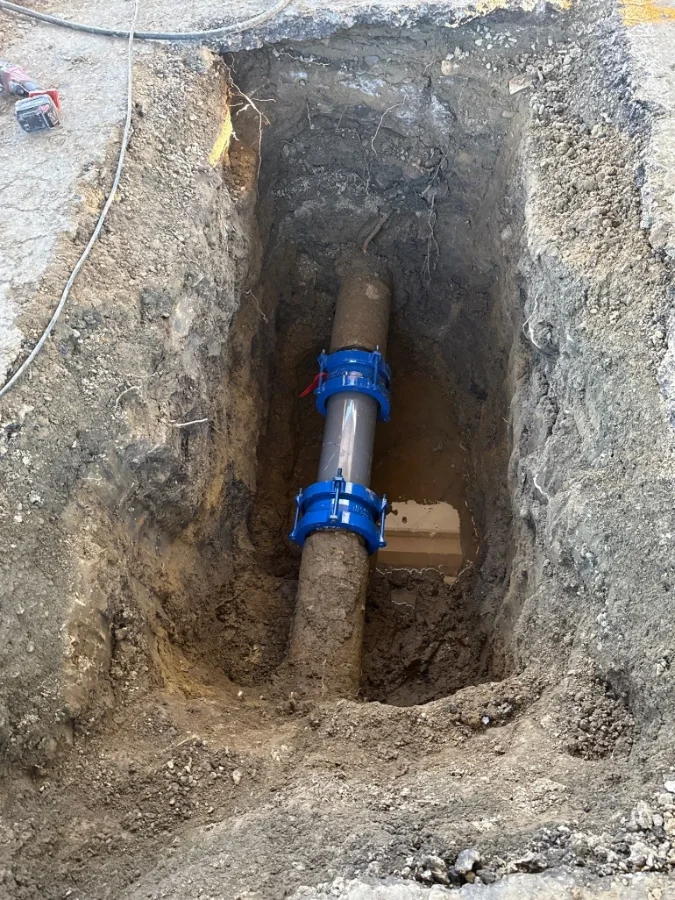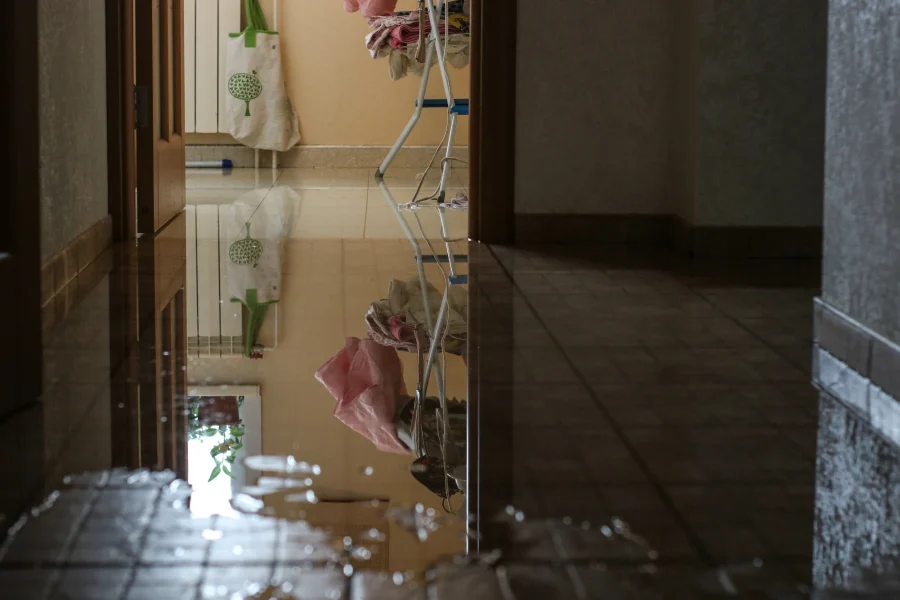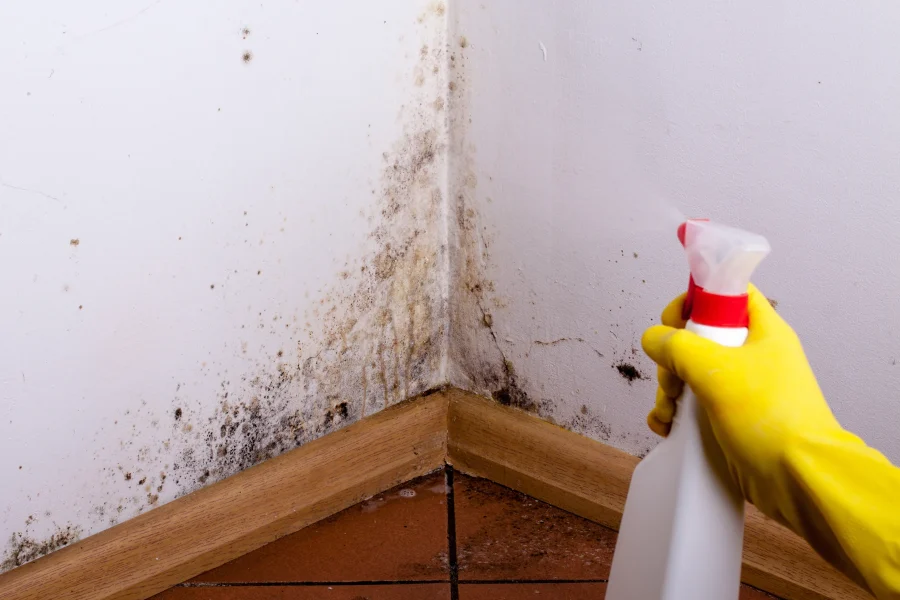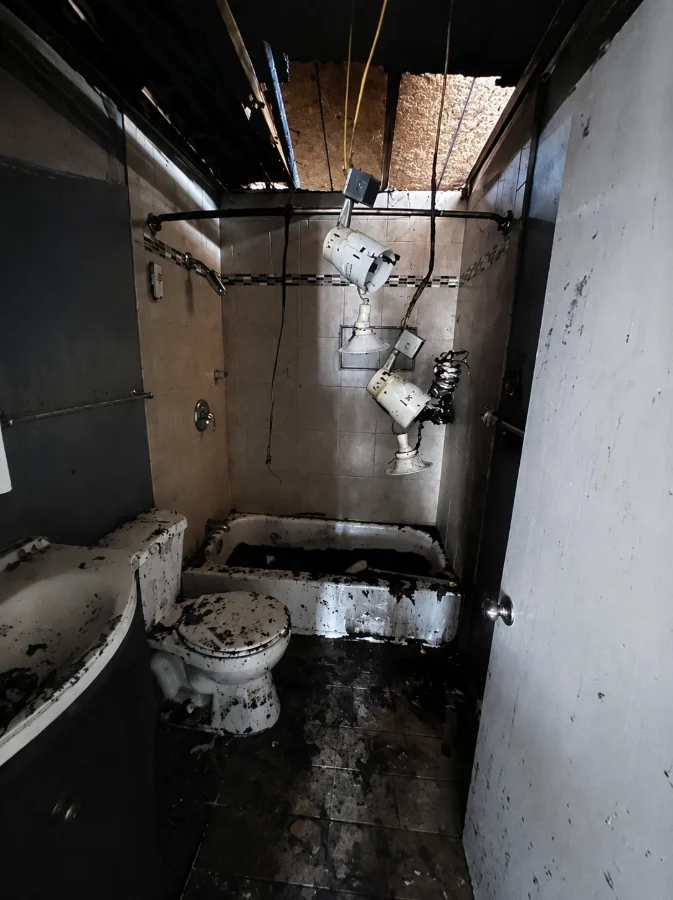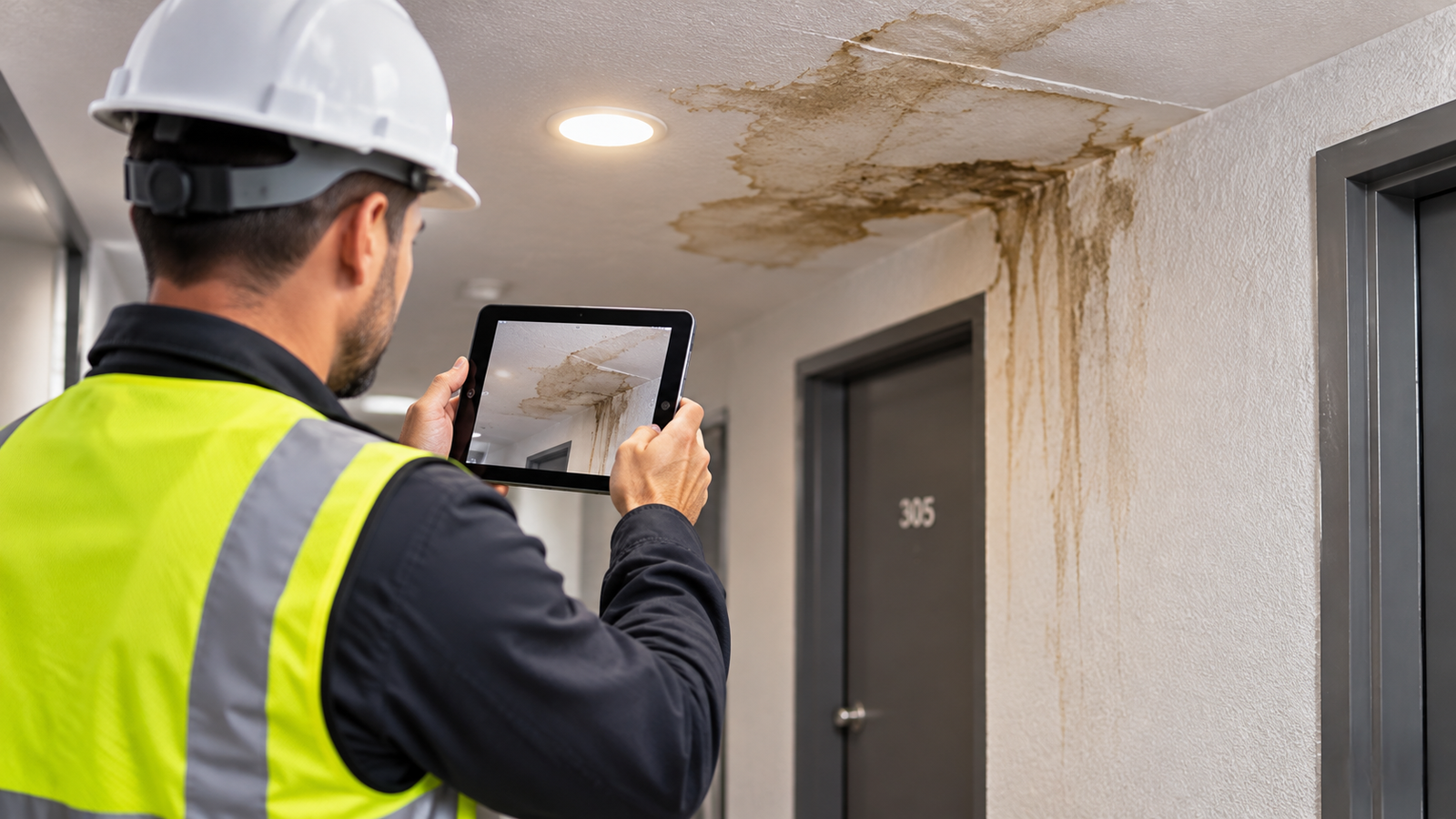
A leak in one condo can affect ceilings, walls, or flooring in another unit. While the emergency response is underway, keep one record that shows when the leak was reported, where water traveled, and what work was authorized. That record helps managers update residents, brief the board, and answer questions during repairs.
Record the first response
Note the date and time of the call, the units involved, who responded, and when the water source was controlled. Identify the source once it has been confirmed. When areas are safe to access, take wide photos to show the location and close-ups to show the damage. Label each photo by unit and room.
Ask for documentation during drying
Request an initial assessment that identifies affected materials and any areas that need further inspection. If the crew installs drying equipment, keep the equipment locations, setup and removal dates, and moisture readings together. Record any materials removed, along with photos and the reason for removal.
Keep a clear record of the repair scope
As the property dries, track which rooms are ready for repairs and what each unit needs to get back to use. Keep the emergency work, drying documentation, and reconstruction scope organized in the same job folder. Record who approved each phase and when residents can expect the next update.
One Stop Source provides emergency water damage response, structural drying, and reconstruction for condo communities and managed properties. Explore water damage restoration · Call (800) 496-0049 for 24/7 emergency response
---
Every property and service situation is different. If you need help assessing a specific issue, contact our team to discuss the location and next steps.
Frequently asked questions
What should a property manager document first?
Record when the leak was reported, the units and rooms involved, who responded, when the source was controlled, and what was observed.
What drying records should be kept?
Keep equipment locations, setup and removal dates, moisture readings, photos, and a record of materials removed together in the job file.
Who should coordinate resident access?
Confirm a primary contact, then coordinate appointments with the homeowner, resident, tenant, or other authorized contact while keeping management informed.